
Flounder
Flounder Fishing Guide – Baits, Rigs & Techniques (UK)
What is a Flounder?
Flounder is a popular flatfish species found around the UK coastline, prized for its delicate flavour and challenging fight for its size. Recognisable by its diamond-shaped, flattened body, both eyes on one side, and sandy-brown mottled colouring, flounder is often a top target for shore anglers and boat fishers alike.
They generally grow to 1–2lb, although larger specimens of 3–4lb are occasionally caught. Flounder are cautious feeders, often lying buried on the seabed before ambushing their prey.
Where Will I Catch Flounder?
Flounder are widespread across UK waters, especially in shallow inshore areas:
-
Estuaries and tidal creeks
-
Sandy bays and mudflats
-
Sheltered harbours and river mouths
-
Shallow coastal waters and sandbanks
Peak catches occur in spring and summer, when they move inshore to feed and spawn.
Best Baits for Flounder
Flounder are opportunistic, feeding mainly on worms, small crustaceans, and tiny fish. The following baits work best:
-
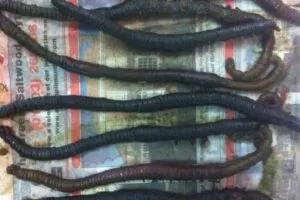
Ragworm (top shore choice)
-
Lugworm
-
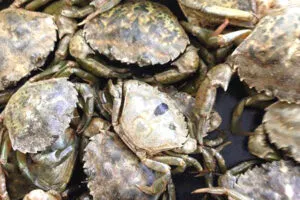
Peeler crab
-
Squid strips
-
Shrimp / Prawns
-
Small sandeel pieces
-
Mackerel or herring strips (for larger flounder)
Tip: Small, natural-looking baits work better than large flashy pieces. Fresh baits are always more effective than frozen.
Best Rigs for Flounder
1. Two-Hook Flapper Rig (Shore)
-
Hooks: Size 1–2/0
-
Long snoods for natural movement
-
Works well over sand and mud
2. One-Down / Two-Down Rig (Boat)
-
Hooks: Size 1–2
-
Beads or attractors can help visibility
-
Ideal for drifting over sandy flats
3. Pulley Rig
-
Useful for slightly rough or uneven seabed
-
Helps the flounder take the bait naturally
-
Minimises early hook-ups
Best Techniques for Flounder Fishing
Shore Fishing
-
Fish just above or on the seabed
-
Cast to shallow sandbanks, edges of estuaries, and creek mouths
-
Use light leads for better bite detection
-
Early morning and late evening are prime feeding times
Boat Fishing
-
Drift over sandy or muddy flats
-
Keep baits close to seabed
-
Cover a wide area to locate shoals
Seasonal Tips
-
Spring/Summer: inshore feeding and spawning – best shore fishing
-
Autumn/Winter: deeper estuary marks and mudflats – boat fishing may be more productive
-
Dusk and dawn generally produce more bites
Flounder Fishing Summary
Flounder are a reliable, fun, and tasty species for UK anglers. Using small natural baits like ragworm, lugworm, or peeler crab, paired with simple shore or boat rigs, you can catch consistently throughout the season.
Showing all 5 results